
City-wide averages hide the exposure that actually matters. Denser, cheaper sensing has trade-offs worth understanding.
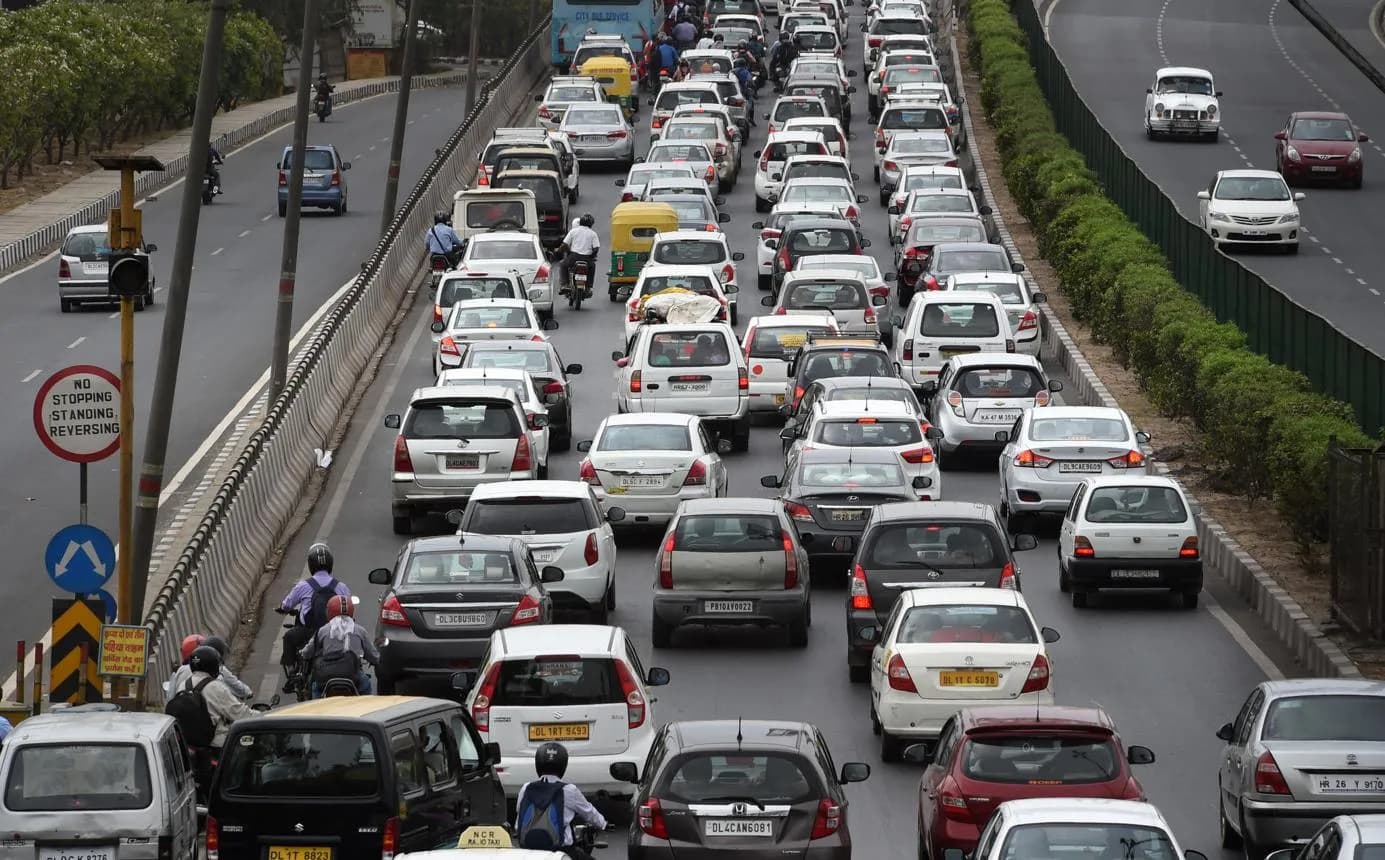
A city-level air quality index is a useful headline and a poor guide to personal exposure. Concentrations vary sharply over a few hundred metres, and the difference between a main road and the lane behind it can exceed the difference between two cities.
Low-cost sensors make dense networks affordable, but they drift, they respond to humidity, and they need reference-grade instruments nearby to stay honest. Our pilot benchmarks a small network against reference monitors to establish how much correction is required and how often.
The goal is not to replace regulatory monitoring. It is to produce ward-level information reliable enough that a municipality can act on it, and to be explicit about the uncertainty attached.
